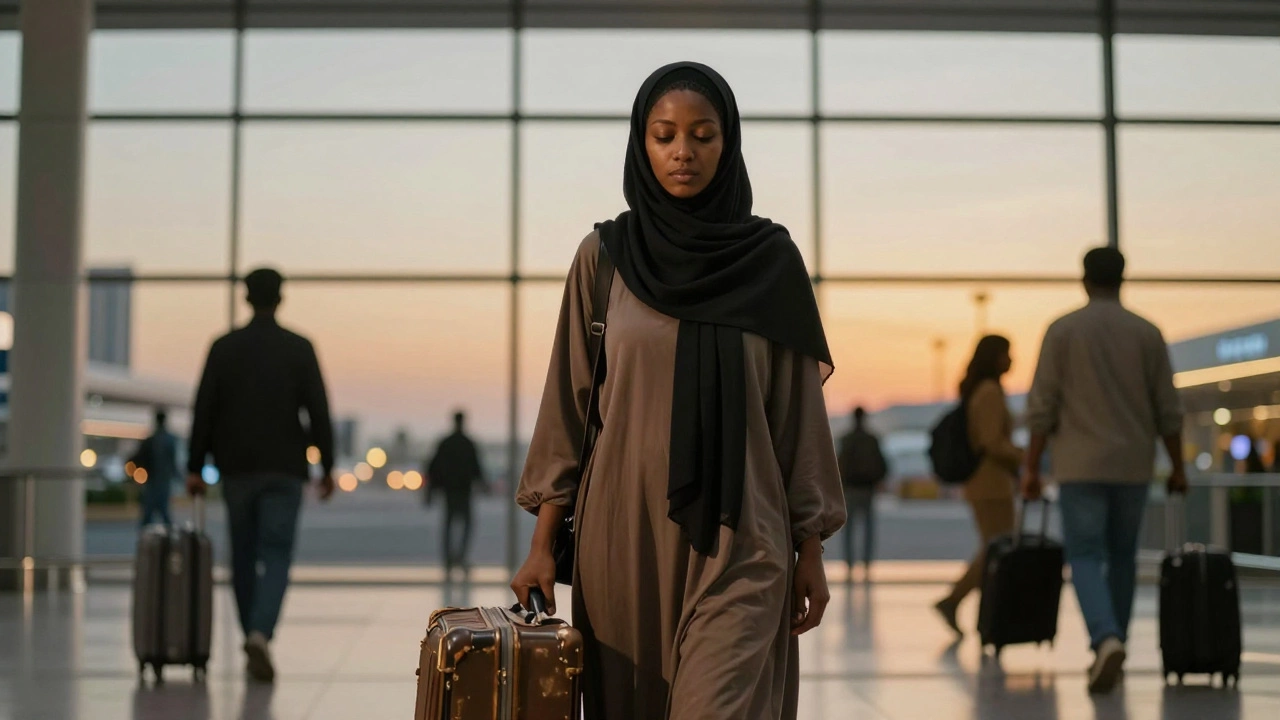
Every year, thousands of Nigerian women arrive in Dubai with dreams of building a better life-some through legitimate work, others through paths that are rarely discussed in official reports. Among them, a small but visible group ends up in roles often labeled as escorts or sex workers in dubai. These women aren’t just statistics or headlines; they’re mothers, sisters, and daughters navigating one of the world’s most expensive cities with little safety net, no legal protection, and limited options. Their stories aren’t about glamour or choice in the traditional sense-they’re about survival, debt, and the brutal calculus of migration in a global economy that rarely accounts for them.
Some find their way to platforms like adultwork dubai, where listings for companionship services are quietly posted under vague terms like "travel partner" or "personal assistant." These platforms don’t advertise themselves as brothels, but they function as de facto marketplaces for transactional relationships. The women who use them aren’t always aware of the legal risks. Dubai’s laws don’t recognize prostitution, and even consensual adult relationships with financial exchange can lead to deportation, detention, or worse. Yet the demand exists-and so does the supply.
Why Dubai? Why Nigeria?
Dubai doesn’t produce its own labor force for domestic work, hospitality, or companionship. It imports it-primarily from South Asia and Africa. Nigerian women are drawn here not because of cultural ties to the Gulf, but because of desperation. In Nigeria, unemployment for women under 30 hovers above 40% in some regions. Student loans go unpaid. Family obligations pile up. A single sister sending home $500 a month can keep three younger siblings in school. That kind of pressure turns migration from a dream into a duty.
Recruiters in Lagos and Port Harcourt promise jobs as nannies, receptionists, or models. They provide plane tickets, fake visas, and assurances that everything is legal. By the time the women land in Dubai, their passports are taken, their phones are monitored, and the real job is revealed: companionship for wealthy men, often with explicit expectations. Refusal means no pay, no way home, and no one to call.
The invisible economy
There’s no official data on how many Nigerian women work in Dubai’s informal sex economy. The UAE government doesn’t track it. NGOs don’t have access. But interviews with former residents and aid workers suggest the number is in the low thousands, concentrated in areas like Bur Dubai, Deira, and Jumeirah. These women don’t work in brothels-they work in hotel rooms, private apartments, and rented villas. They’re paid in cash, often in dirhams or dollars, and rarely get payslips or receipts.
Many rely on networks-Nigerian women who’ve been there longer help newcomers find clients, share safe addresses, and warn about police raids. Some even rent out rooms to other women, turning their own precarious situation into a small business. It’s not organized crime-it’s improvised survival. One woman, who asked not to be named, told me she earned $2,000 a month working three nights a week. She sent $1,500 home. The rest paid for rent, food, and a SIM card she used to call her daughter every Sunday.
How the system exploits them
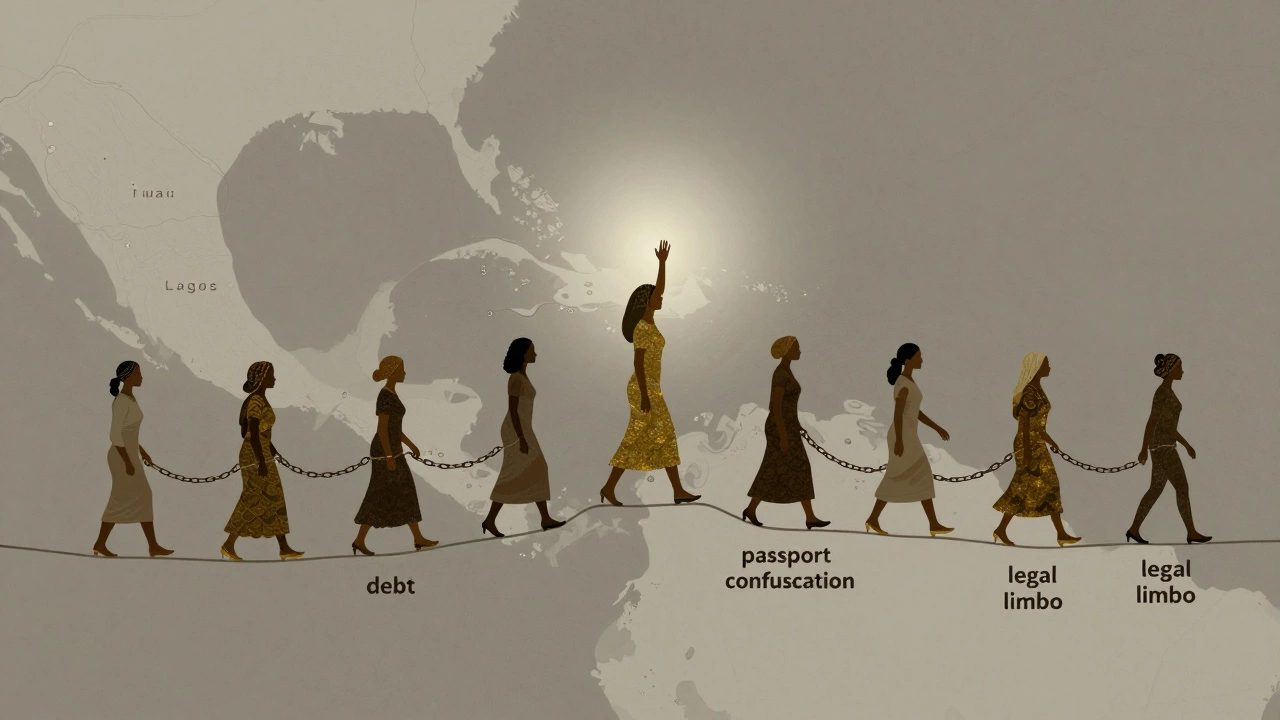
The real power doesn’t lie with the clients. It lies with the agents, landlords, and middlemen who control access to housing, transportation, and communication. These people often take 30-50% of earnings under the guise of "rent," "protection," or "booking fees." Some women are forced to pay back the cost of their flight-$3,000 or more-before they can keep any money. That debt can take a year or two to clear. During that time, they’re trapped.
Legal systems don’t help. Dubai’s labor laws don’t cover informal work. If a woman is abused, she can’t report it without risking arrest. If she tries to leave, she’s labeled a runaway and can be detained indefinitely. Many are held under immigration violations, not criminal charges. Their only escape? Working until they can afford a new ticket-or until someone pays for it.
The role of technology
Smartphones changed everything. Before 2018, most Nigerian women in Dubai relied on word-of-mouth referrals. Now, apps and messaging platforms let them screen clients, set prices, and avoid dangerous situations. WhatsApp groups are filled with warnings: "Don’t go to Hotel X-police raided last night," or "Avoid the guy who pays in Bitcoin-he’s a scammer."
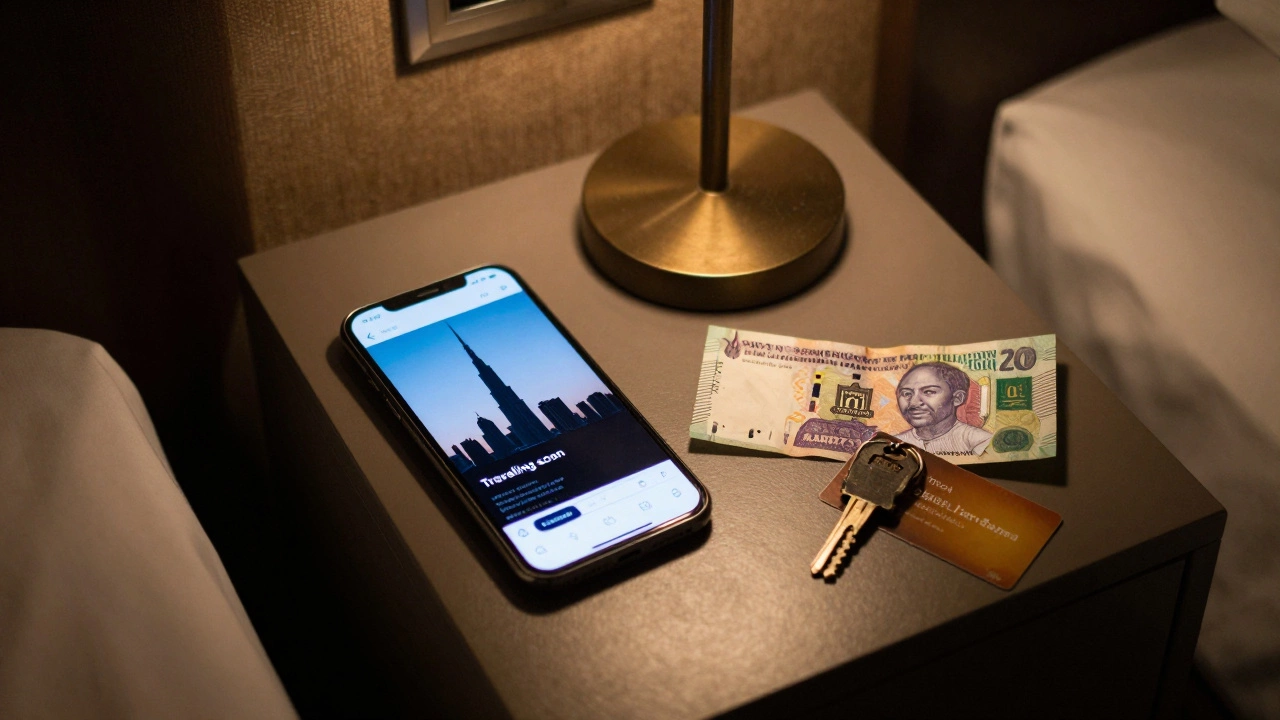
Some women use Instagram to post discreet photos-no faces, no names-offering "companionship" with vague captions like "traveling soon, need someone to show me the city." These posts are rarely flagged because they don’t violate platform rules. They’re just... ambiguous. And that ambiguity is what keeps them alive.
What happens when they leave?
Not all stay. Some manage to escape. They get help from Nigerian embassies, NGOs like the International Organization for Migration, or even former clients who feel guilty. But leaving doesn’t mean safety. Many return to Nigeria with trauma, stigma, and no job prospects. Their families often don’t know what happened. Some pretend they worked as models or sales reps. Others never speak of it again.
Those who do talk say the hardest part isn’t the work-it’s the silence. No one in their village talks about Dubai the way it really is. No one asks what happened after the plane landed. They’re told to be proud they sent money home. No one asks if they’re okay.
The bigger picture
This isn’t about morality. It’s about economics. Dubai thrives because it can import labor cheaply and dispose of it quietly. Nigeria sends its most ambitious young women abroad because it can’t give them a future at home. The gap between these two realities is widening, not shrinking. Until Nigeria invests in education, job creation, and women’s financial independence, this flow won’t stop.
Dubai doesn’t need to ban escort services to fix this. It needs to recognize that the people filling these roles are not criminals-they’re victims of a system that sees them as disposable. Legalizing and regulating informal labor might not be politically popular, but it’s the only way to protect the women who keep this city running in the shadows.
And until then, the women will keep showing up. With suitcases, fake documents, and hope. And somewhere, someone will click "book now" on adultwork dubai.
Popular Posts

Are mountain bikes more durable than road bikes?
Mar, 7 2023




Can you wear running shoes for cycling?
May, 6 2023